
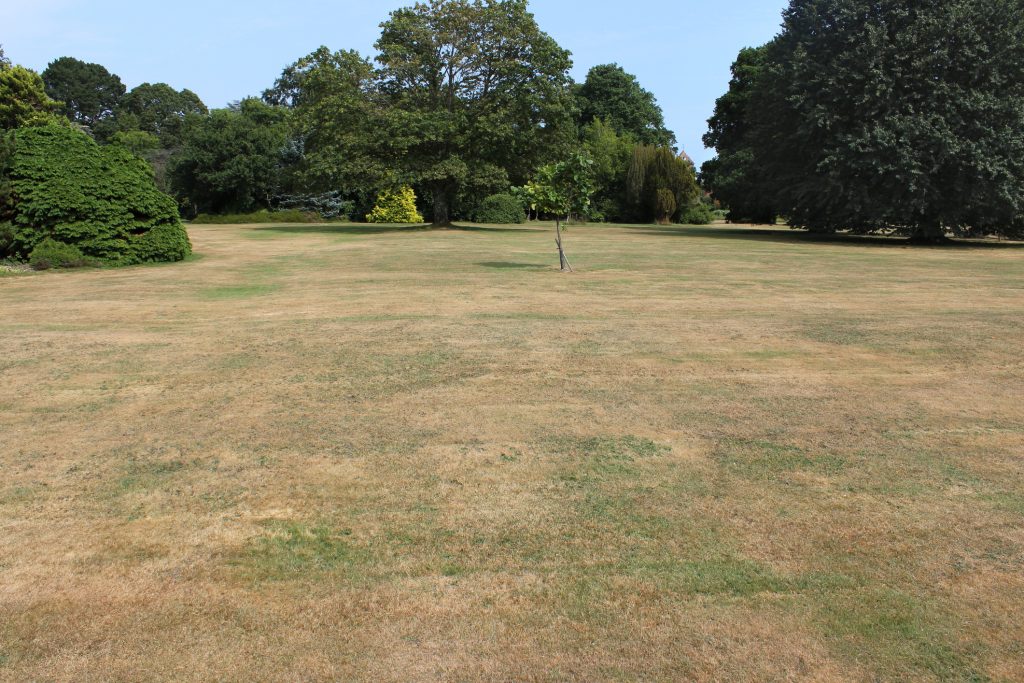

Why Is My Lawn Turning Brown?
A lush, green lawn doesn’t happen by accident. If your grass is turning brown, thinning out, or developing bare patches, it’s usually a sign that something below the surface needs attention. From poor soil conditions and improper watering to insects, disease, or mowing habits, several factors can affect the health of your lawn.
At Harmony Tree Care, we take a science-based approach to lawn care by focusing on healthy soil, strong root systems, proper fertilization, and proactive monitoring. Our customized Lawn Care Program helps homeowners throughout northern New Jersey enjoy healthier, greener lawns season after season.
TL;DR: Why is my lawn turning brown?
- Brown grass can result from drought, poor soil, insects, disease, or improper lawn care.
- Healthy lawns start with quality soil and strong root systems.
- Proper fertilization, weed control, and balanced watering all play important roles.
- Aeration, overseeding, and soil testing can correct underlying lawn problems.
- Harmony Tree Care offers customized lawn care programs designed to keep your lawn healthy throughout the growing season.
Why Is My Lawn Turning Brown?
Brown grass doesn’t always mean your lawn is dead. In many cases, it’s simply reacting to environmental stress or underlying soil conditions. Drought, compacted soil, poor nutrient availability, disease, insect damage, and improper mowing practices can all cause grass to lose its healthy green color.
The key is identifying the root cause before the problem spreads. Addressing symptoms alone often leads to temporary improvements rather than lasting results.
Could Poor Soil Be Causing My Lawn Problems?
Absolutely. Healthy lawns begin with healthy soil. Much of northern New Jersey naturally contains heavy clay, rocky soil, and limited topsoil, making it difficult for grass roots to access water, oxygen, and nutrients.
Harmony Tree Care focuses on improving soil health through balanced fertilization, lime applications to manage soil acidity, and organic matter that supports stronger root development and long-term lawn health.
How Do Watering Habits Affect Lawn Health?
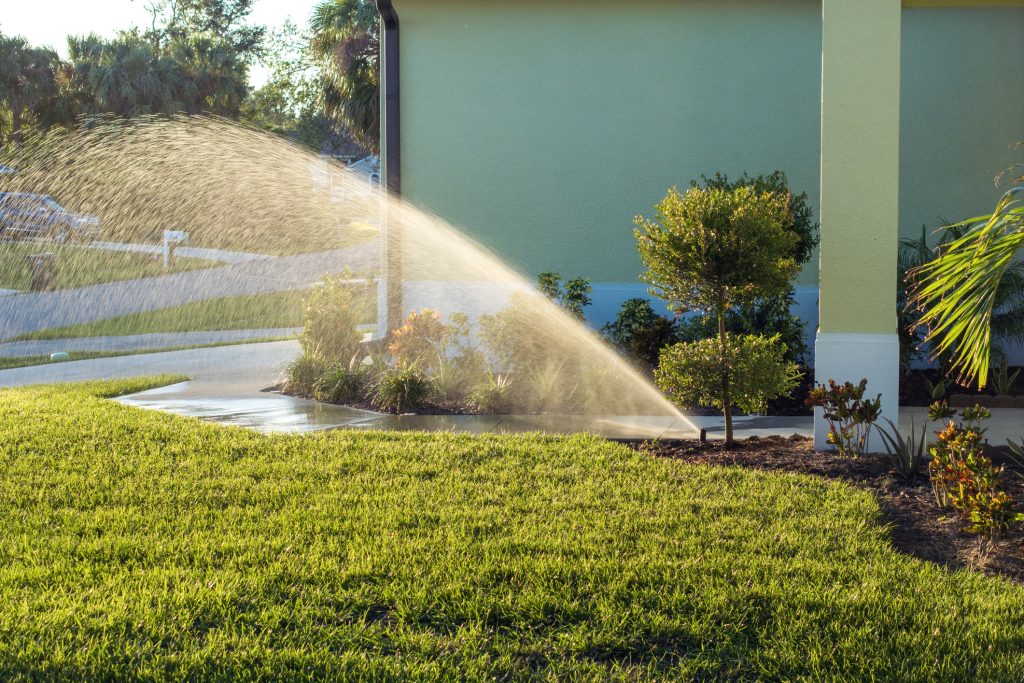
Both too little and too much water can cause grass to turn brown.
During dry periods, deep, infrequent watering encourages roots to grow deeper into the soil, making the lawn more resilient. Overwatering, however, keeps roots near the surface, limits oxygen in the soil, and creates conditions that favor disease and weak root systems.
Finding the right balance is one of the most important steps in maintaining a healthy lawn.
Bring Your Lawn Back to Life with Expert Care
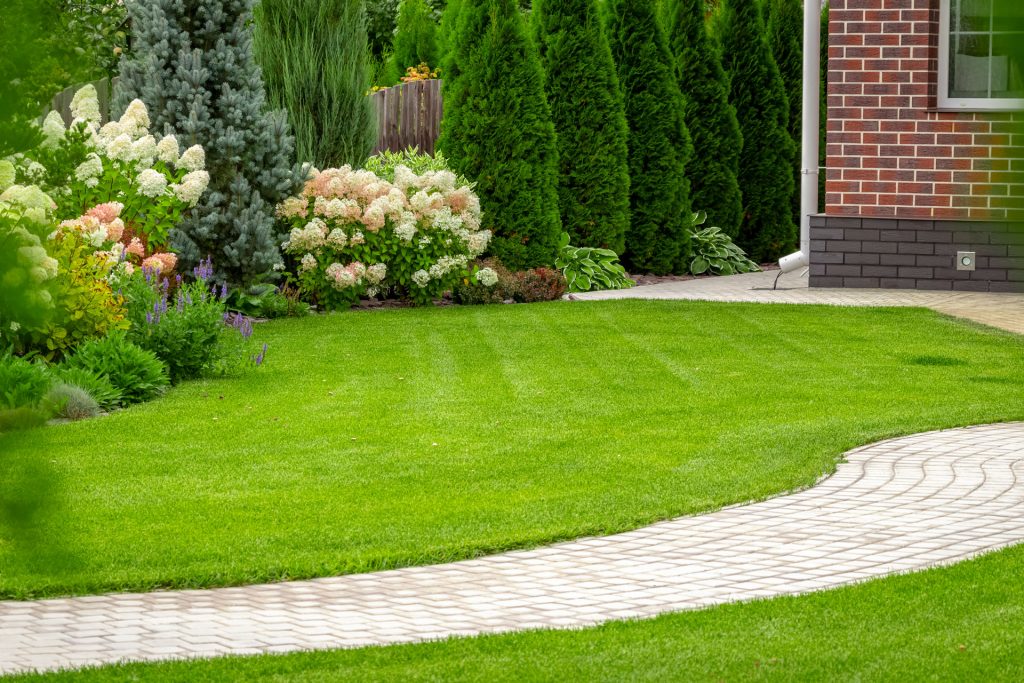
A brown lawn doesn’t always mean it’s beyond saving. From drought and poor mowing habits to weeds, insects, and disease, identifying the cause is the first step toward restoring healthy, green turf. Harmony Tree Care provides customized lawn care solutions—including fertilization, weed control, aeration, overseeding, and targeted treatments—to help your lawn recover and thrive all season long.
Can Weeds, Insects, or Disease Turn Grass Brown?
Harmony Tree Care’s Lawn Care Program includes scheduled fertilization and weed control, along with ongoing monitoring that helps identify potential insect or disease problems early. When needed, additional services such as grub control, fungus treatments, and specialty weed control can be recommended based on your lawn’s specific conditions.
Does Mowing Make a Difference?
Cutting grass too short reduces its ability to produce energy, weakening the lawn and allowing weeds to become more established. Removing more than one-third of the grass blade at a time can also stress the turf. Sharp mower blades create clean cuts that heal quickly, while dull blades tear the grass and increase the risk of disease.
Avoid mowing when the lawn is wet, as this can compact the soil and reduce the oxygen available to healthy roots.
How Can You Restore a Brown Lawn?
Harmony Tree Care’s comprehensive Lawn Care Program includes five scheduled treatments throughout the growing season with fertilization, weed control, and lime applications designed to build healthier soil and stronger root systems. Additional services, including aeration, overseeding, hydroseeding, grub control, fungus treatments, and soil testing, can be recommended when needed to help your lawn recover.
Why Choose Harmony Tree Care?
A healthy lawn is built from the ground up. Harmony Tree Care combines professional lawn care treatments, soil health management, and ongoing property evaluations to create stronger, healthier turf that can better withstand weeds, insects, disease, and changing weather conditions. Whether your lawn needs routine maintenance or corrective care, our experienced team develops customized solutions that help your landscape look its best throughout the year. Contact us today to get started.
Harmony Tree Care provides professional tree, shrub, and lawn care services throughout New Jersey, helping homeowners protect and enhance their landscapes. From tree pruning and removals to plant health care, disease management, fertilization, and landscape lighting, our experienced team delivers proactive solutions that improve the health, safety, and beauty of your outdoor space for years to come. Browse our frequently asked questions for additional information, or contact our team if you don’t see your question listed.
Overwatering, poor soil, compacted ground, disease, or shallow root systems can all cause grass to turn brown, even when it receives plenty of water. A professional evaluation can help determine the underlying cause.
Yes. Compacted soil restricts root growth and limits the movement of water, nutrients, and oxygen. Aeration helps relieve compaction and encourages stronger root development.
Proper fertilization can improve lawn health, but only when it's applied at the right time and in the correct amount. Too much nitrogen can actually weaken root systems, while too little leaves grass lacking essential nutrients.
Aeration and overseeding are typically recommended when soil becomes compacted or lawns begin thinning. These services improve root growth, increase turf density, and help establish healthier grass over time.
Harmony Tree Care takes a customized approach to lawn care by focusing on soil health, proper fertilization, weed management, and proactive monitoring. Our experienced team develops treatment plans tailored to your property's unique conditions, helping you maintain a healthy, vibrant lawn year after year.
