
How Do You Know When a Tree Should Be Removed?
Trees add beauty, shade, and value to your property, but there are times when removal is the safest and healthiest option. A dead, dying, or structurally compromised tree can pose serious risks to your home, family, and surrounding landscape, especially during storms or high winds.
At Harmony Tree Care, our certified arborists evaluate each tree carefully before recommending removal. Whenever possible, we look for ways to preserve healthy trees through proper care, pruning, or structural support. When removal is necessary, our experienced team can safely remove trees of any size.
TL;DR: How do you know when a tree should be removed?
- Dead, dying, or hazardous trees should be evaluated by a professional arborist.
- Trees growing too close to homes, power lines, or other structures may need to be removed.
- Insect infestations and severe decay can weaken a tree's structural integrity.
- Some trees can be preserved through cabling, bracing, or corrective pruning instead of removal.
- Harmony Tree Care provides professional tree evaluations, tree removal, and structural support solutions throughout northern New Jersey.
What Are the Signs a Tree Should Be Removed?
Several warning signs can indicate that a tree has become unsafe or is no longer healthy enough to preserve.
An experienced arborist can determine whether these issues require removal or if the tree can still be safely preserved.
Common reasons for tree removal include:
Dead or dying branches throughout the canopy
Large hollow sections within the trunk
Significant trunk decay
Major storm damage
Severe leaning caused by root failure
Large cracks or splits in the trunk
Trees that have outgrown their location
Trees posing a risk to nearby homes, driveways, or other structures
Can a Healthy Tree Still Be Hazardous?
Yes. Even healthy trees sometimes become hazardous because of where they’re growing.
As trees mature, their roots and branches continue expanding. A tree planted too close to a house, garage, patio, driveway, or utility lines may eventually create safety concerns or increase the risk of property damage during severe weather.
In these situations, removal may be the safest long-term solution.
Can Insects or Disease Make a Tree Unsafe?
Yes. One of the most destructive pests affecting New Jersey is the Emerald Ash Borer. This invasive insect attacks ash trees, disrupting their ability to transport water and nutrients until the tree dies. Because infested ash trees become brittle and unstable, early evaluation is critical. Depending on the condition of the tree, treatment may still be possible, while severely damaged trees often require removal.
Other insect infestations and diseases can also compromise a tree’s structural integrity, making regular inspections an important part of maintaining a safe landscape.
What Happens During Professional Tree Removal?
Every tree removal begins with a careful evaluation of the tree, surrounding structures, and the safest removal method.
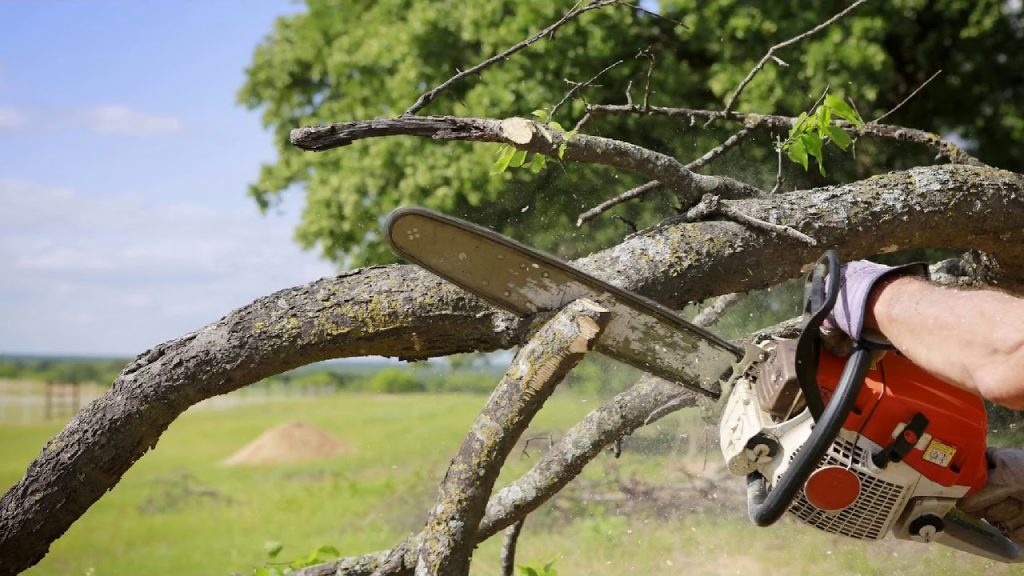
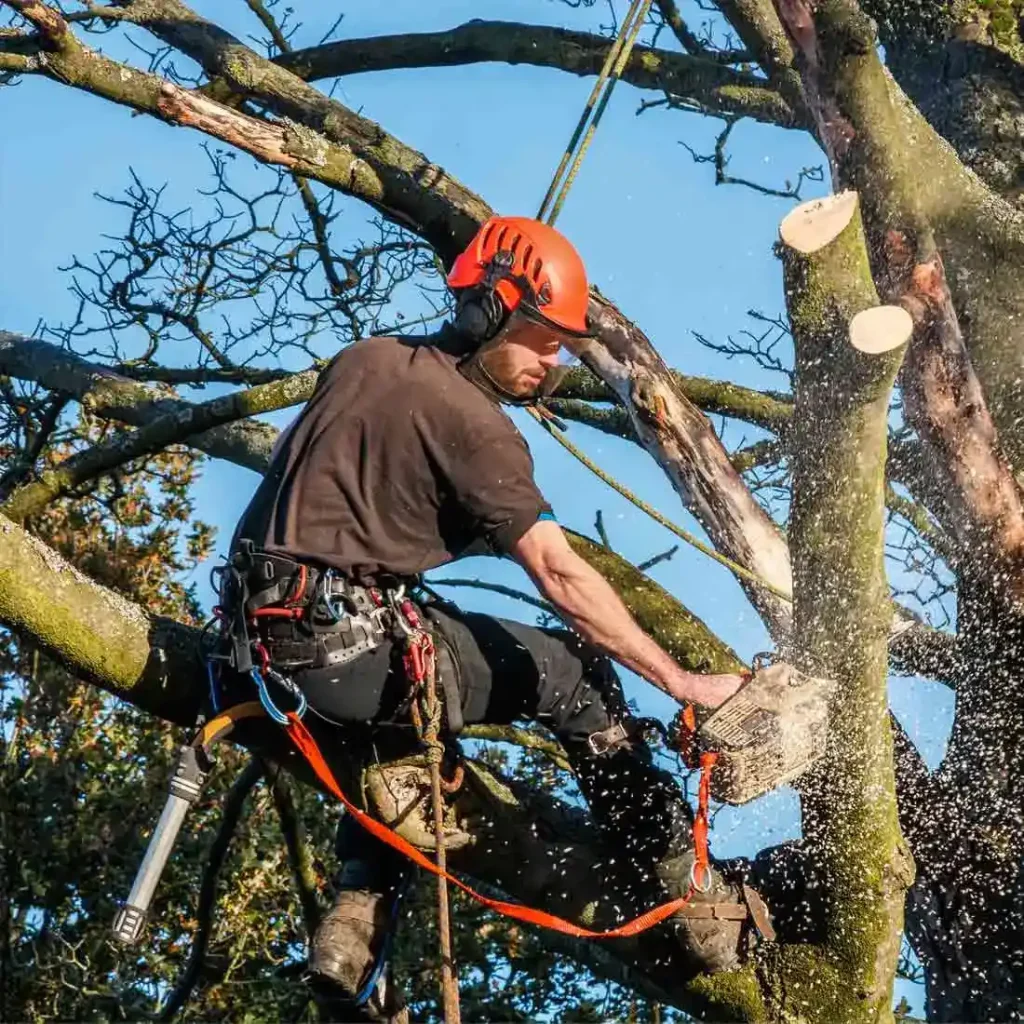
Harmony Tree Care has the equipment and experience to safely remove trees of all sizes while minimizing disruption to your property. Our team carefully dismantles hazardous trees when necessary and works to protect nearby landscaping, structures, and hardscapes throughout the process.
Safety remains our highest priority from start to finish.
Why Should an Arborist Evaluate Your Tree?
Removing a tree is a significant decision that should only be made after a professional assessment.
A certified arborist can determine whether the tree is truly hazardous, identify underlying health issues, and recommend the most appropriate solution. In many cases, pruning, plant health care, cabling, or bracing may extend the life of the tree while improving safety.
Professional evaluations help homeowners make informed decisions while preserving healthy trees whenever possible.

Why Choose Harmony Tree Care?
Harmony Tree Care believes every tree deserves a careful evaluation before removal is recommended. Our experienced arborists assess each tree’s health, structure, and location to determine the safest and most effective course of action. Whether a tree requires removal, structural support through cabling and bracing, or ongoing care to improve its health, our team provides customized solutions focused on protecting both your property and your landscape. Contact us today to get started.
Harmony Tree Care provides professional tree, shrub, and lawn care services throughout New Jersey, helping homeowners protect and enhance their landscapes. From tree pruning and removals to plant health care, disease management, fertilization, and landscape lighting, our experienced team delivers proactive solutions that improve the health, safety, and beauty of your outdoor space for years to come. Browse our frequently asked questions for additional information, or contact our team if you don’t see your question listed.
Dead trees, hollow trunks, severe decay, large structural cracks, significant storm damage, or trees growing too close to structures should be evaluated by a certified arborist to determine whether removal is necessary.
Often, yes. Depending on the tree's condition, pruning, cabling, bracing, or plant health care treatments may improve stability and extend its lifespan.
Tree cabling and bracing are structural support systems that help strengthen weak branch unions or multiple trunks, reducing the risk of failure during storms while helping preserve valuable trees.
Not always. Early infestations may be treatable, but heavily infested trees often become hazardous and may require removal. A professional evaluation can determine the best course of action.
Harmony Tree Care combines experienced arborists, safe tree removal practices, and professional tree preservation techniques to help homeowners make informed decisions. We focus on protecting your property while preserving healthy trees whenever possible.
